

Choosing a drinking water filtration system involves more than finding a filter that fits on your kitchen counter. You also need to understand which contaminants you want to reduce, how much purified water your household uses, and how much maintenance the system requires. An AquaTru reverse osmosis water filter is one option for households exploring advanced drinking water treatment without necessarily installing a traditional under-sink system. Reverse osmosis uses a specialized membrane alongside other filtration stages to reduce specified substances in water. However, different systems have different capacities, installation requirements, and ongoing costs. Understanding these details before purchasing can help you make a practical decision. Whether you live alone, have a busy family kitchen, or want a dedicated drinking water solution, comparing the available options is a useful first step.
What Makes Reverse Osmosis Different?
Water filtration systems are designed to perform different jobs. Some basic filters primarily improve taste and odor, while reverse osmosis systems can reduce a broader range of dissolved substances when properly designed and tested.
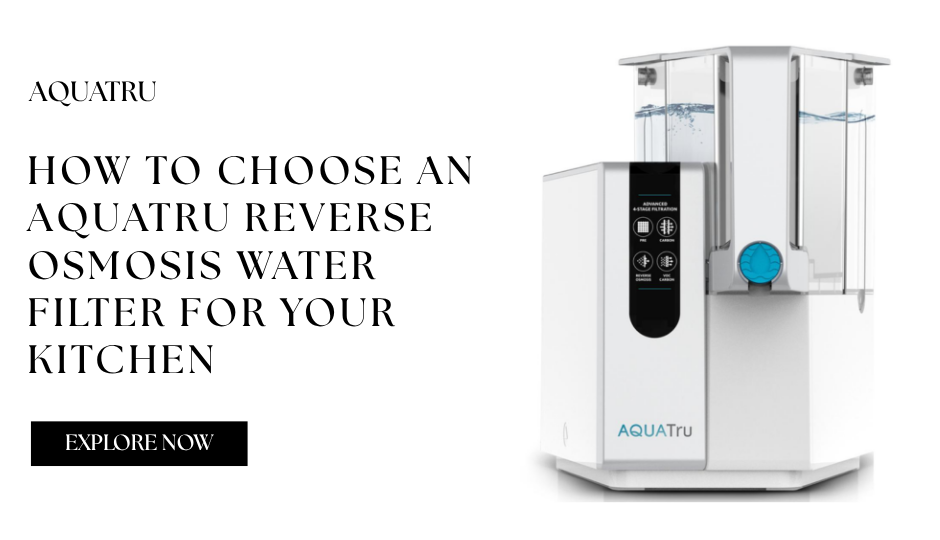
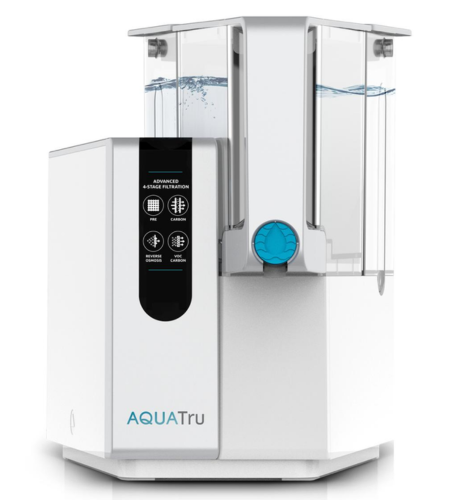
AquaTru describes its purification systems as using a four-stage reverse osmosis process. The stages combine pre-filtration, membrane treatment, and additional filtration to target specified contaminants. The exact claims should always be checked against the performance documentation for the model you intend to purchase.
Before choosing a system, consider three important points:
- Water quality: Your local water report can help identify substances that may require attention.
- Verified performance: Look for independent testing or certification that supports the specific contaminant-reduction claims.
- Maintenance requirements: Filters and membranes need replacement according to the manufacturer’s instructions.
Reverse osmosis is not a universal solution for every water concern. Testing your water and identifying your needs can help determine whether this technology is appropriate.
Which AquaTru System Fits Your Kitchen?
The right system depends on your available space, household size, and preference for countertop convenience or a more permanent installation.
AquaTru Classic
A countertop purifier can be useful when you want a dedicated drinking water system without making permanent plumbing changes. The AquaTru Classic is an option to consider if you have sufficient counter space and want water available for everyday drinking and cooking.
Before selecting it, check the reservoir capacity, unit dimensions, electrical requirements, and water production process. These details help you understand whether it will suit your daily routine.
AquaTru Carafe
A carafe-style purifier offers a compact alternative for people who prefer a smaller water collection container. It may be worth considering for an individual, couple, or household with modest drinking water requirements.
Compare the clean-water capacity with your usual consumption. A smaller container may require more frequent refilling if several people use it throughout the day.
AquaTru Under Sink
An under-sink system is designed for households that prefer to keep their purification equipment out of sight. It may be suitable for a busy kitchen, but installation requirements and cabinet space deserve attention before purchasing.
Check whether the system requires plumbing modifications and whether installation assistance is available if needed.
AquaTru offers these different configurations, so compare the specific models rather than assuming they share identical capacities, filters, or maintenance schedules.
Features to Evaluate Before Buying
A water purifier should match your practical requirements instead of simply having an impressive list of features.
Filtration performance: Review the contaminant-reduction data for the exact model. If you are concerned about lead, PFAS, arsenic, or another specific substance, confirm that the relevant reduction claim is supported by the product’s documentation.
Installation flexibility: Countertop models can avoid permanent plumbing connections, while under-sink systems offer a different approach to kitchen organization.
Water capacity: Estimate how much water your household needs each day. Consider drinking, coffee, tea, and cooking rather than drinking alone.
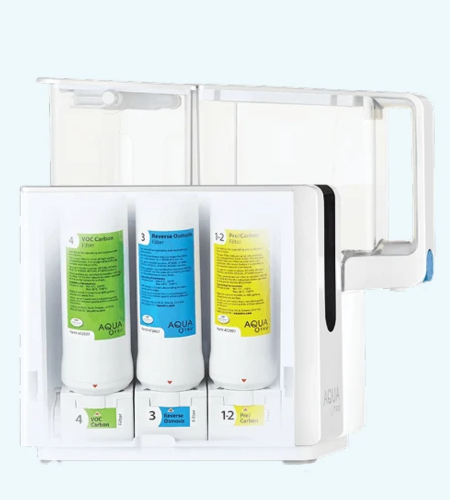
Replacement filter availability: Check which replacement filters are compatible with your model and how often each component needs changing.
Ease of cleaning: Review the cleaning and sanitizing instructions, particularly for water reservoirs and removable containers.
These details can make a meaningful difference to long-term convenience.
Understanding Filter Maintenance and Costs
The initial purchase price is only part of the overall cost of a reverse osmosis system. Replacement filters, electricity, water consumption, and possible installation expenses should also be considered.
AquaTru sells replacement filters for its systems, but compatibility and replacement intervals vary by model. Follow the instructions supplied with your purifier rather than applying one schedule to every unit.
To estimate ongoing costs, check:
- The price of each compatible replacement filter.
- The recommended replacement interval or usage limit.
- Whether the reverse osmosis membrane requires separate replacement.
- The cost of cleaning supplies or professional maintenance, if applicable.
- Any installation or delivery charges.
Regular maintenance is important because worn or poorly maintained components can affect system performance. The US Environmental Protection Agency also recommends following the manufacturer’s maintenance schedule for water treatment equipment.
Current prices can change, so compare the latest product listings before deciding. Also check shipping eligibility, warranty coverage, and return conditions for your destination. The official store’s current policies should take precedence over information found in older reviews.
Pros and Cons of AquaTru
Pros
- Countertop options can reduce the need for permanent plumbing changes.
- Reverse osmosis can reduce a range of specified contaminants.
- Multiple system configurations provide flexibility for different kitchens.
- Replacement filters are available for ongoing maintenance.
Cons
- The initial cost may be higher than that of a basic pitcher filter.
- Countertop units require dedicated space and an electrical outlet.
- Replacement filters create recurring expenses.
- Under-sink models may involve more complicated installation.
- Performance claims and filter compatibility need to be checked for each model.
The best choice depends on how these advantages and limitations align with your household’s needs.
Frequently Asked Questions
1. Is a reverse osmosis water filter worth considering?
It may be worth considering if you want to reduce specific contaminants beyond those addressed by a basic filter. Start by identifying your water quality concerns and comparing verified performance claims.
2. Does AquaTru require permanent installation?
Countertop models generally avoid permanent plumbing connections, while under-sink configurations have different installation requirements. Check the instructions for the specific model.
3. How often should AquaTru filters be changed?
Replacement intervals depend on the model, filter type, water quality, and usage. Follow the manufacturer’s recommendations for your system.
4. Can I use an AquaTru purifier in a small kitchen?
A compact model may work well if you have sufficient space for the machine and its water containers. Measure the available area before ordering.
5. What should I check before purchasing?
Compare filtration performance, system capacity, installation requirements, replacement filter costs, warranty terms, and shipping eligibility.
Conclusion
Choosing an AquaTru reverse osmosis water filter starts with understanding your water quality concerns, daily consumption, available kitchen space, and willingness to maintain the system. Countertop and carafe models offer different approaches to convenience, while under-sink systems may suit households that prefer a less visible setup.
Compare verified filtration claims and long-term costs before making your decision. Visit the official AquaTru store to review the available purifiers and compatible replacement filters and determine which configuration best fits your household.